Investigation · Middle East
The Long Arm of Tehran
Lees dit artikel in het Nederlands → · Full research (40 pages) ↗
Lees dit artikel in het Nederlands → · Full research (40 pages) ↗
A story based on a half-year research into: 'to what extent the current protests in Iran resulted from Western Interventions since the twentieth century'.
Espionage, violence, repression, extortion, intimidation and finally the liquidation of Masoud Molavi Vardanjani, an Iranian dissident, who was shot dead on a sidewalk of a street in Istanbul. Tehran's influence has grown enormously since the founding of the Islamic Republic. For instance, the Iranian government conducts cyber-attacks with some regularity and is the originator of widespread assassination attempts.
During protests, the internet in Iran is frequently shut down to prevent the outside world from seeing how things are going there. VPN networks are created by countries worldwide and institutions, including the US State Department, to bypass the regime's internet control.
"Since the outbreak of the protests, the regime has made the internet inaccessible. I created a VPN from the Netherlands where Iranians in Iran can log in. In the beginning, a few million Iranians were connected. Currently, about 3,000 Iranians are still connected. It is less than in the beginning, but it all counts."
, Anonymous source, Iranian studying in the Netherlands
The regime has so much power inside and outside Iran. It spreads fear, hatred, and division, but behind the scenes, it is steadily building a network of alliances and international relations. The Revolutionary Guard has gained influence in Iraq, Syria, Lebanon, Afghanistan, and Yemen, thanks to the Quds Force.
To gain more influence, terrorism is an important tool of Iranian foreign policy. It is used both to promote national interests and to export the regime's revolutionary ideals. A study concluded that the Iranian regime strives to discourage or thwart US attempts to bring about regime change, uses regional conflicts to pursue broader goals, provides material support to regional armed groups, and supports actions against international shipping in the Persian Gulf.
Interactive visualisation: the methodical planning behind the assassination of Iranian dissident Masoud Molavi Vardanjani in Istanbul.
Ever since September 2022, people in Iran , as well as in countries around the world , have been taking to the streets to express their dissatisfaction with the regime. The main reason behind these large-scale protests is the freedom-restricting rules for Iranian women. The same branch of the regime arrested and mistreated the 22-year-old Iranian Kurdish Jina Masha Amini on 16 September 2022. Masha later died of her injuries in a Tehran hospital.
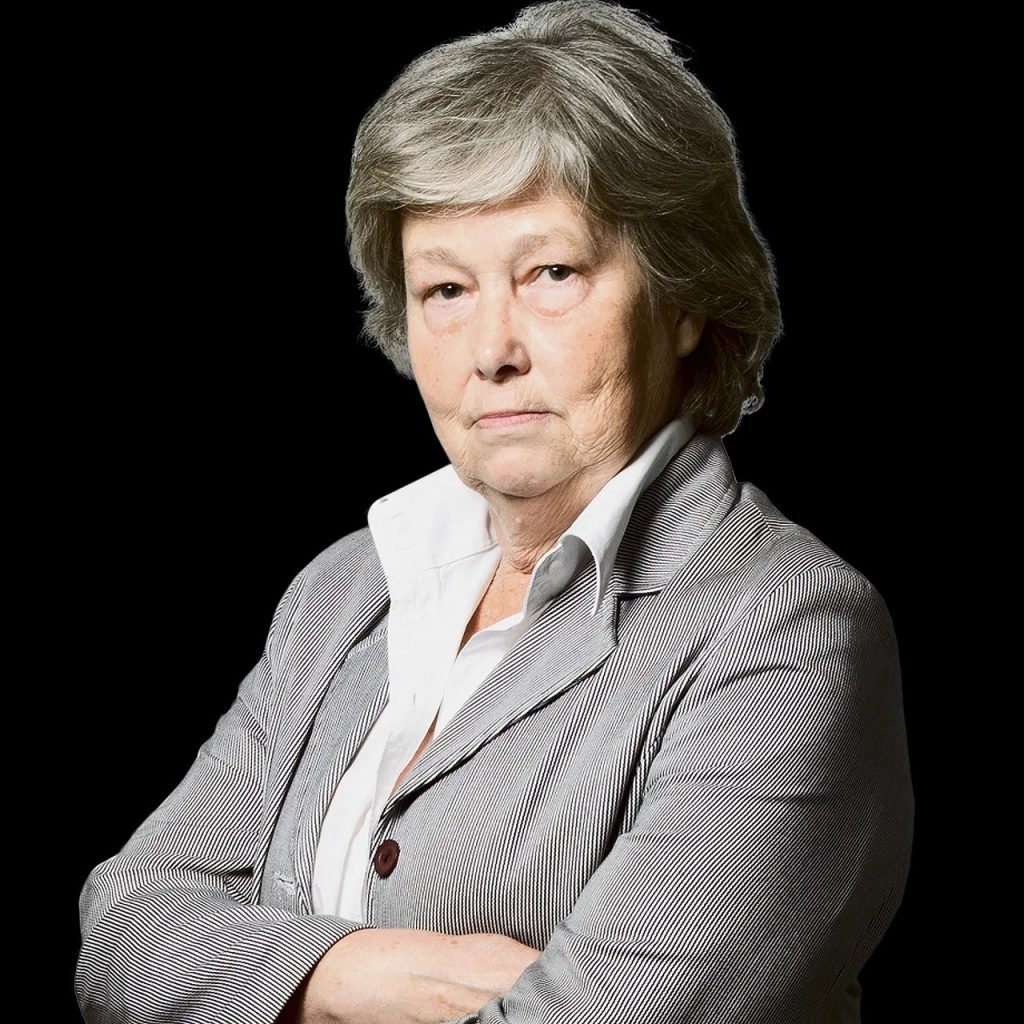
Carolien Roelants
Dutch journalist, editor, and writer. Specialist in the Middle East. Contributes to the weekly NRC column Dwars.
"The constitutional revolution, which emerged from an economic crisis and plundering of the country by the British and the Russians, is now also called 'the awakening of the Iranians.' Sixty girls' schools were founded in Tehran alone during the time of these revolutions."
, Carolien Roelants
Since the discovery of a large oil field in 1908 and with it the establishment of the Anglo-Persian Oil Company (APOC), now BP, profits from Iranian oil have gone directly to European countries. In 1951, Mohammed Mossadeq was democratically elected. During his reign, he nationalised Iranian oil, after which the British MI6 and the US CIA staged a coup in 1953.
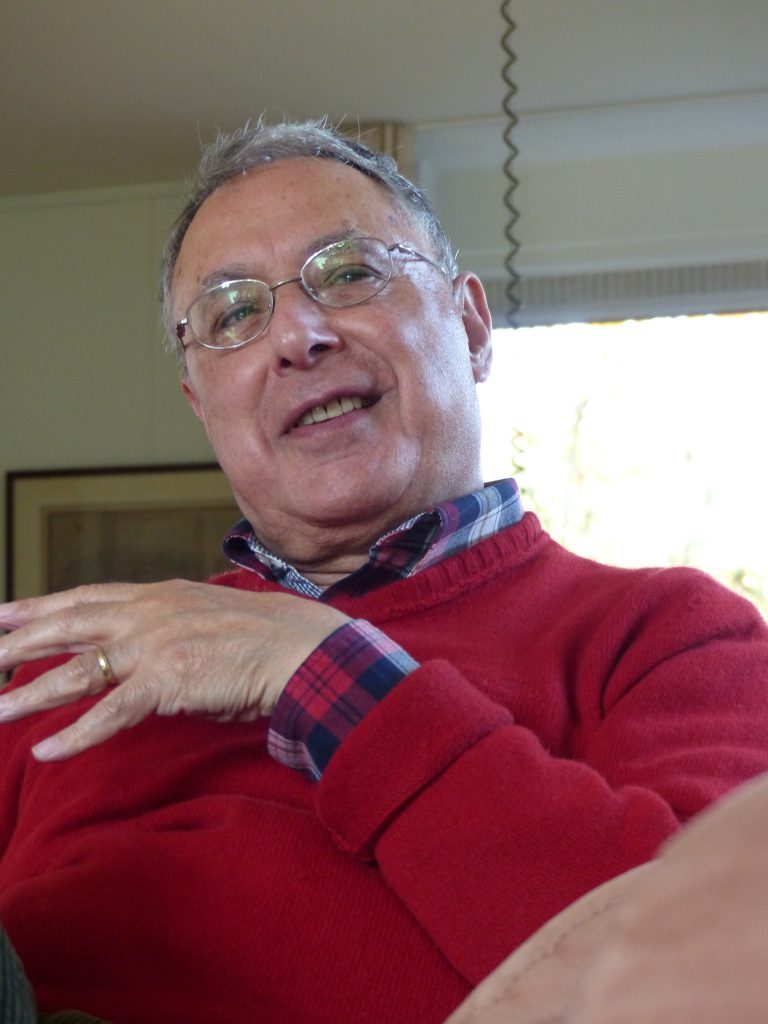
Darius Madjlessi
Farsi interpreter and political activist. Came to the Netherlands in 1959 on a study visa. In Iran, he supported Mossadeq.
"The Iranian Revolution was all Iranian. People could not make the right choice at the right time. In the case of most revolutions, sentiments play a bigger role than common sense."
, Darius Madjlessi
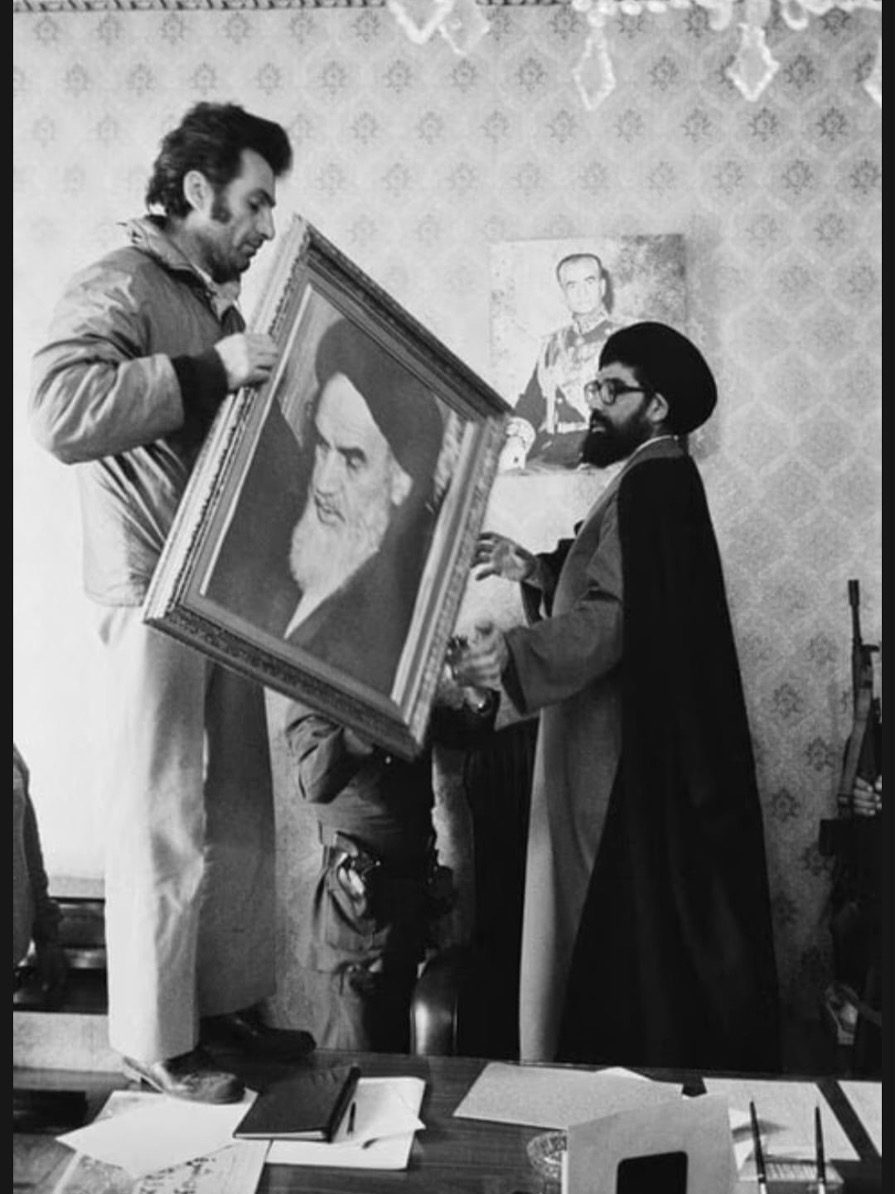
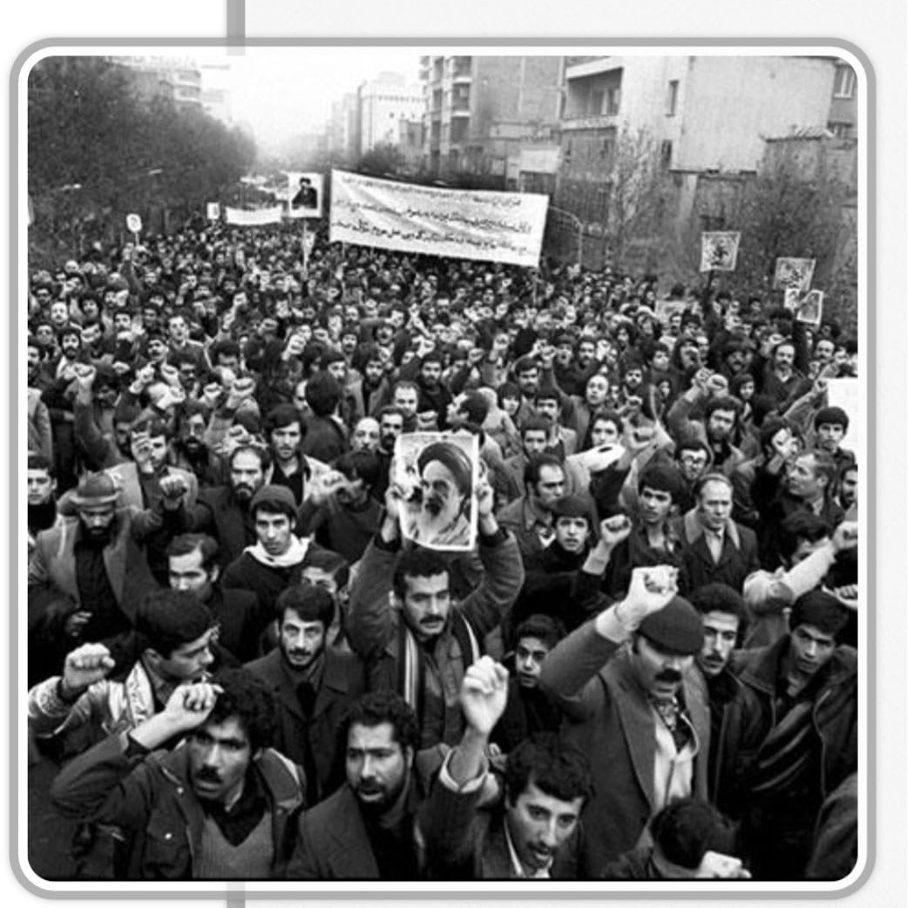
Change of pictures in Shah's Palace.
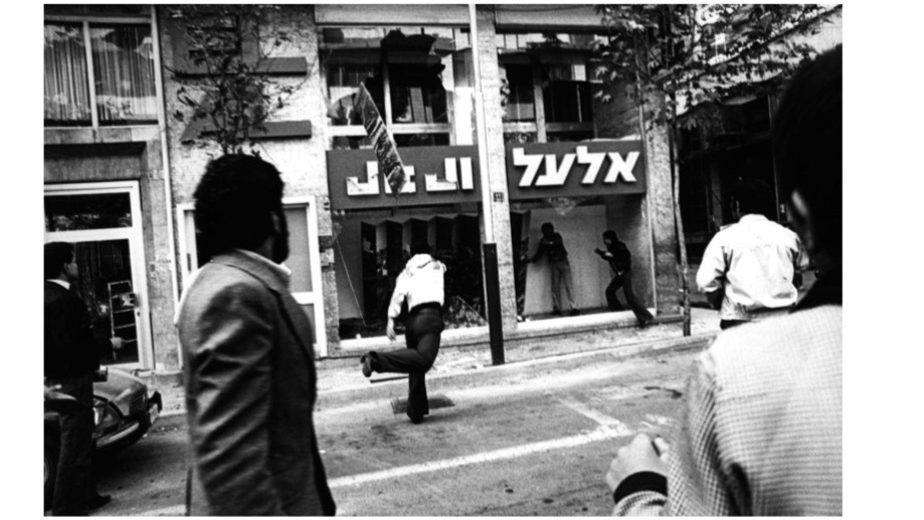
Destruction of the Israeli embassy, days after the revolution broke out in 1978.
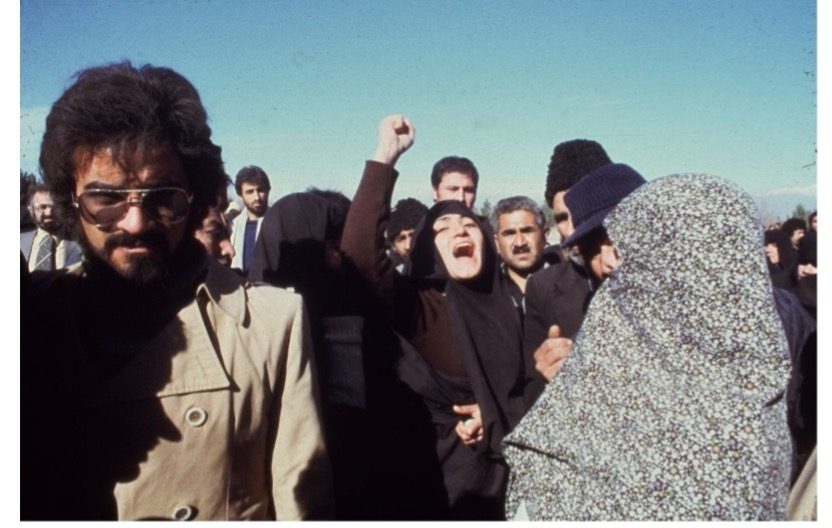
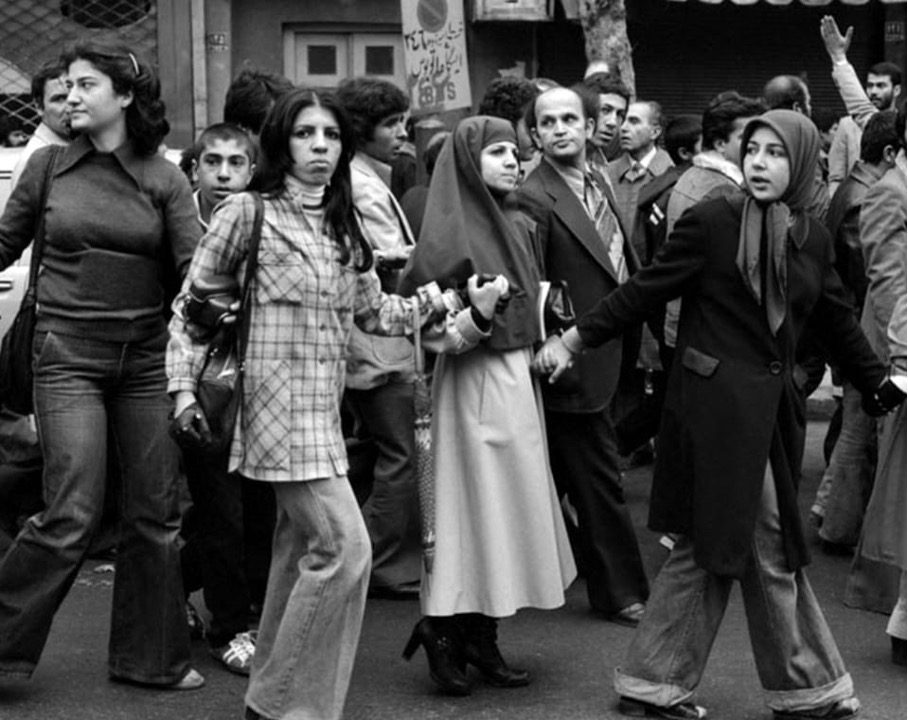
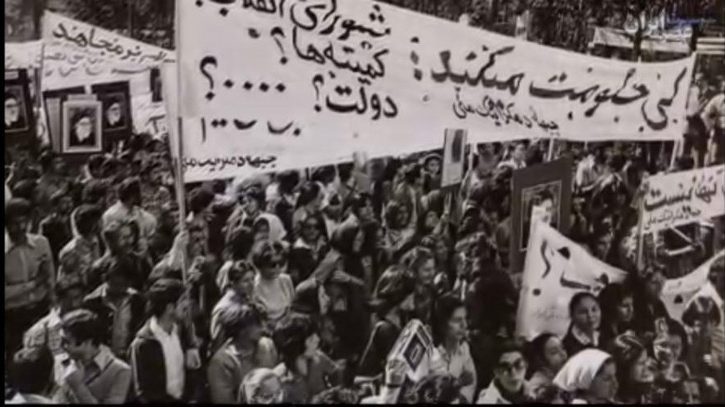
Revolutionary women taking to the streets.
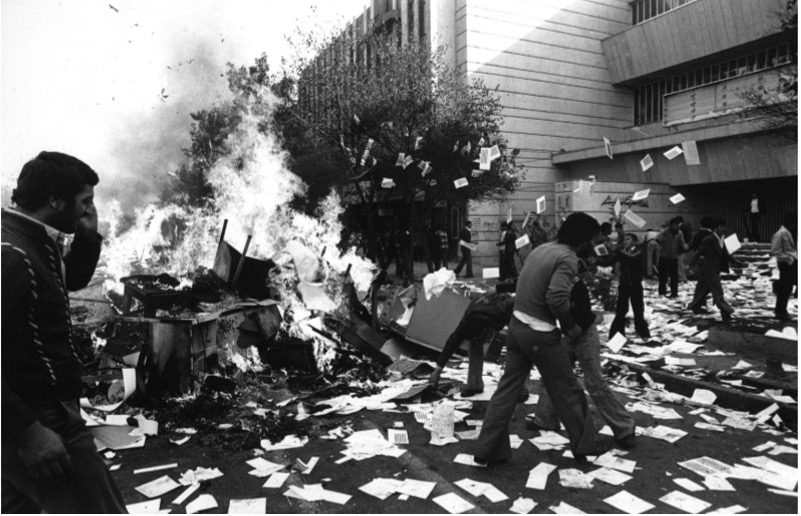
Shops selling alcoholic drinks and Western entertainment are set on fire.
Less than a year later, Khomeini struck a deal with Carter who secured his return to Iran on the first of February 1979. After living in exile for 15 years, Khomeini was welcomed as a hero.
"Once in power, Iran's attitude towards the West changed and the West was even labelled an archenemy. Nothing came of the promises Khomeini made to the people during the revolution."
, Darius Madjlessi
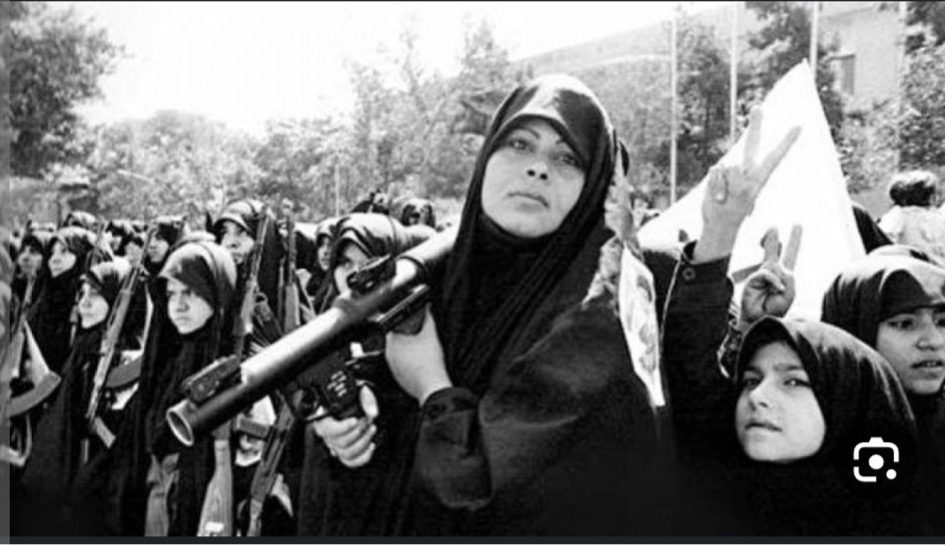
Women who fought in the war with Iraq.
In 1980, Iran became embroiled in a war with Iraq. This war lasted eight years and is also known as the First Gulf War. Iraq saw the appearance of the Islamic Revolution in Iran as interfering in its internal affairs. After 1979, Iraqi leader Saddam Hussein saw his chance to invade the still shaky Iran.
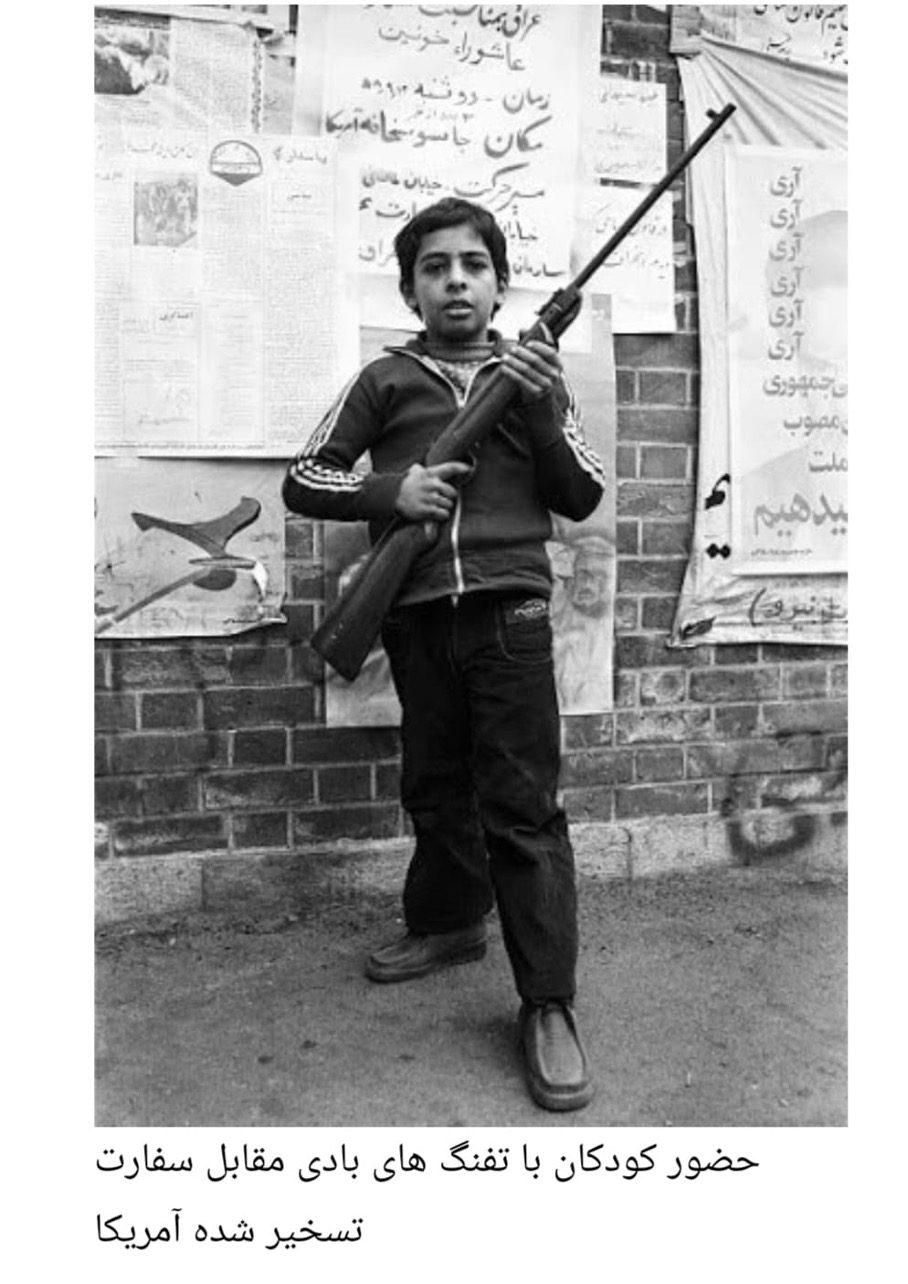
Child soldier during the war with Iraq.
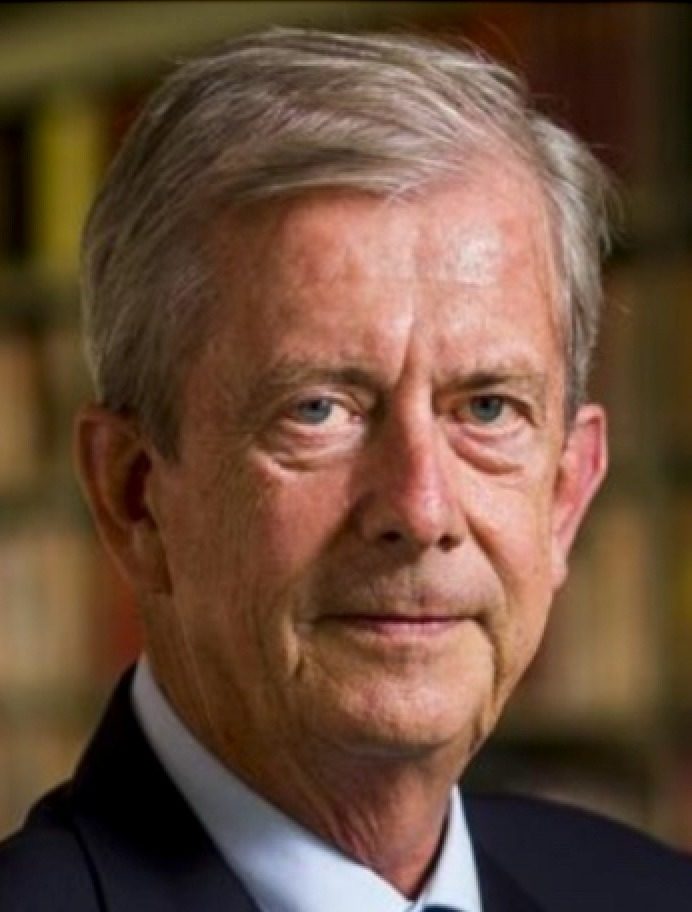
Nikolaos van Dam
Former ambassador and Arabist. Worked as a diplomat in the occupied Palestinian territories, Jordan, Lebanon and Libya.
"Before the first Gulf War, America was an ally of Iraq. America had no problem with Iraq using chemical weapons against Iran and against the Kurds. In fact, America rolled out the red carpet for Iran with the occupation of Iraq."
, Nikolaos van Dam
Interactive visualisation: Iran's network of international alliances and influence.
An agreement was reached in 2015 after years of negotiations between Iran and the P5+1: the Joint Comprehensive Plan of Action (JCPOA). The agreement remained in place for three years. In 2018, President Donald Trump withdrew from the accord and reimposed sanctions, despite the IAEA showing that Iran followed the accord.
"Sanctions have had more impact than the 1953 coup or CIA interference. Those sanctions are the most important thing. I think historically we can look back on those sanctions as a period where they actually gave more power to the men in power."
, Thomas Erdbrink, former Iran correspondent
According to Roelants, the West's sanctions have thrown Iran into the lap of China and Russia. Since the outbreak of war in Ukraine, Iran has been supplying kamikaze drones to Russia, which are then used to launch attacks on Ukrainian territory.
The flame literally caught fire when Jina Masha Amini died after her arrest by the morality police. For a moment, the whole world stood in solidarity with Iranian women. Headscarves were burned and women cut off their hair. For a moment, the 2022 protests seemed to bring about change. For a moment there was hope, but the religious leaders tolerated no dissent.
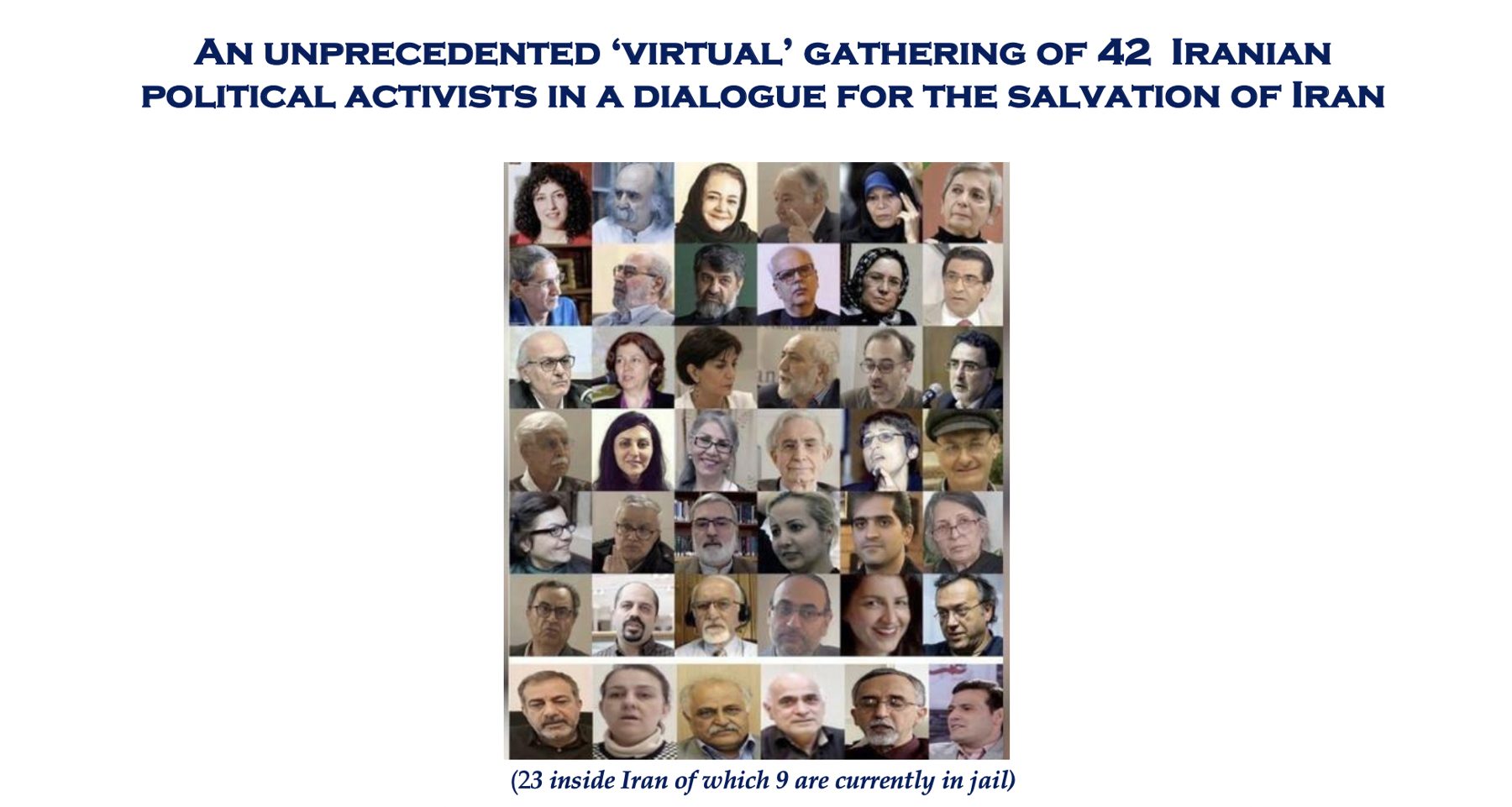
Despite the regime's crackdown, a new wind seems to be blowing among some religious leaders. More people are increasingly daring to lower their headscarves and let their hair blow.
"The government should not be overthrown by force from outside. It is a form of wishful thinking. There are three major examples in the region where all this has led to drama: Afghanistan, Iraq, and Libya."
, Thomas Erdbrink
"A nation that has never had democratic experience finds it difficult to make the right choice at sensitive moments. With this experience behind us, there is a good chance that, in the long run, democracy will prevail in our country."
, Darius Madjlessi
Because of the regime's great power, the 'long arm of Tehran' continues to be felt all over the world. It remains to be seen whether the armed rulers, the Islamic Revolutionary Guard Corps, will give up their power. Iran still leaves a trail of fear, intimidation, repression, cyber-attacks and espionage to this day.
All 'old' photos are from the photo book titled: Revolution 1978 through the camera of Zhjll Peres